
|
Cover Story
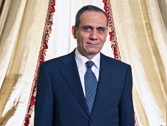
New Envoy Says Egypt Has
|
||
|
People of World Influence Amnesty Director Continues
|
||
|
Politics Global Perceptions of U.S. Elections:
|
||
|
Diplomacy
D.C. Diplomatic Corps Sad
|
||
|
Diplomacy U.S. Debates How to Keep Envoys Safe
|
||
|
Global Vantage Point Syria: A Divided Society
|
||
|
Medical Monaco’s Noghès Forms Cancer
|
||
|
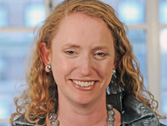 Suzanne Nossel is using Twitter and other 21st-century tools to promote Amnesty International’s mission without abandoning the letter-writing and grassroots legwork that have made it one of the world’s foremost human rights groups.
 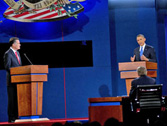 For foreigners, America’s presidential election — a lengthy, nasty, no-holds-barred battle littered with money and arcane rules — can seem, well, completely foreign.
  From Tripoli to Tbilisi, it’s hard to name a world capital Hillary Clinton hasn’t visited — or a diplomat who doesn’t have words of praise for the “rock-star” secretary of state.
 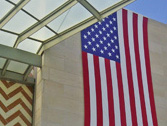 The attack on the U.S. consulate in Benghazi has revived a longstanding debate over how to keep America’s diplomats safe while letting them do their job.
  Syria’s uprising-turned-civil war has flamed sectarian and religious divisions that, if not eventually mended, could destroy the chances of re-establishing a functioning social fabric in the future.
 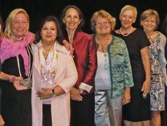 Ellen Noghès, the wife of Monaco’s ambassador in Washington, was diagnosed with cancer during three different postings — an experience that inspired her to reach out to diplomatic spouses who found themselves in a similar predicament.