

|
Cover Story
Colombian Envoy Says Government
|
||
|
People of World Influence
Architect of Bush’s Iraq Surge Reflects
|
||
|
Truth-Tellers
New Book Explores Whistleblowing
|
||
|
Diplomatic Dangers
Retired Envoys Say Post-Benghazi
|
||
|
China, Then and Now
Experts Reflect on China’s Trajectory,
|
||
|
Global Vantage Point
Op-Ed: Sweeping New FARA
|
||
|
Global Vantage Point
Op-Ed: Operation Desert Storm Offers
|
||
|
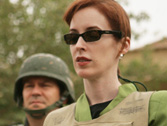 As the architect of the Bush administration’s surge in Iraq, Meghan O’Sullivan left a huge footprint in the war-torn country. But as many U.S. policymakers learn, in the volatile and shifting sands of the Middle East, footprints often get left behind in the dust.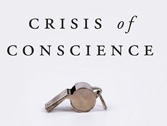
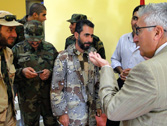 “Diplomacy is a hazardous business,” says Richard Olson, the former U.S. special envoy for Afghanistan and Pakistan who joined other former ambassadors in calling on Congress to put aside post-Benghazi fears and let diplomats out of “fortress embassies” so they can do their job.
 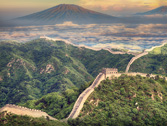 China’s remarkable transformation from a struggling communist state to a major global player has also made it some enemies, or, at the least, frenemies. That includes the United States, which under Donald Trump considers China a geostrategic competitor.
 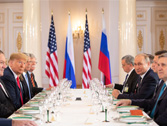 The Department of Justice’s Foreign Agents Registration Act (FARA) enforcement unit was until recently a fairly sleepy outpost. The multiple convictions of Paul Manafort changed all that — along with a fear that Russia had gained undue influence over U.S. electioneering and policymaking.
 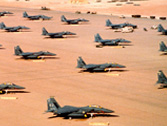 Nearly 30 years after the end of Operation Desert Storm to drive Saddam Hussein’s army from Kuwait following Iraq’s invasion of the oil-rich emirate, it is worthwhile to reflect on lessons learned that may be relevant today.