

|
Cover Story
Ambassador Valeriy Chaly:
|
||
|
People of World Influence
Ex-U.N. Peacekeeping Chief:
|
||
|
Intel Black Hole
Gaps in Intelligence Complicate
|
||
|
U.S.- China Mil to Mil
Jaded U.S.-China Military Ties
|
||
|
Who Broke Greece?
Plenty of Blame to Go Around
|
||
|
Diaspora Connections
From Palestine to Peru, D.C. Embassies
|
||
|
Inside Azerbaijan
Diplomat’s Ambassador Insider Series
|
||
|
Muslims in Europe
Muslims Coming to Europe,
|
||
|
Digital Diplomacy Forum
LinkedIn Disengages From
|
||
|
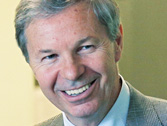 Jean-Marie Guéhenno led the largest expansion of U.N. peacekeeping in the organization’s history. He also learned some hard lessons about conflict and compromise — and the mismatch between lofty aspirations and on-the-ground realities.
  People have assigned various labels and theories for the radical group that calls itself the Islamic State, but the only thing that’s clear is that our knowledge of the group is riddled with gaps.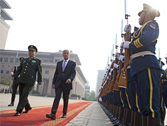
 There are two competing narratives about the Greek financial crisis — one that puts the onus on Athens, and the other that blames its creditors. But as in any rhetorical tug of war, the truth lies somewhere in the middle.
  From Peru to Palestine, embassies are realizing the value of their diaspora communities and reaching out to pump up investment back home.
 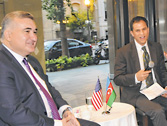 Azerbaijan took the spotlight Oct. 6 as the focus of The Washington Diplomat’s inaugural Ambassador Insider Series discussion.
  The migrant crisis has shone a spotlight on the influx of Muslims fleeing war-torn nations for Europe’s safe shores, but Islam is hardly a new presence on the Christian-dominated continent.
 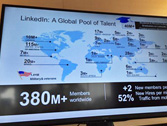 While Facebook and Twitter dominate the digital diplomacy discussion, LinkedIn has been largely left out of the loop.