
By: Todd J. Barry
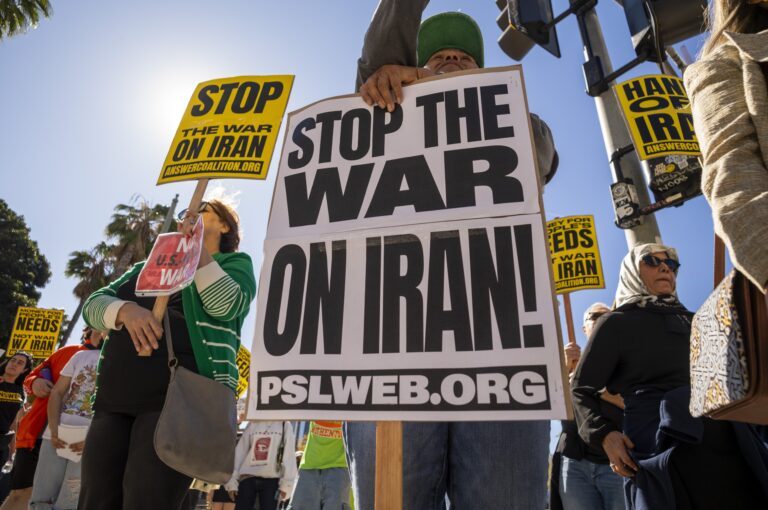
Americans seem to be divided about Iran, perhaps because every American generation has had a different experience with the country—from the hostage crisis of 1979-81 to the current explosion of hostilities between the United States and Israel on one side, and Iran’s ruling ayatollahs on the other.
Before the current US-Iran conflict becomes madness, there first needs to be a ceasefire. To the lay person, ceasefires are the first and most logical start to resolve a conflict: most sides dislike them because they fear their concerns will not be addressed. That’s why ceasefire agreements usually come with steps for further negotiations to follow.
President Trump has called for “unconditional surrender” and for “regime change.” The former has been the standard demand throughout US history, even though it has had different meanings and has led to different outcomes, while the latter phrase rose to prominence during the Second Iraq War. Yet the United States seems unlikely to accomplish either. Geographically, Iran is mountainous and large—nearly four times the size of Iraq. It also has political and military assets throughout the Middle East.
One can envision a limited US boots-on-the-ground mission. Special forces might attempt to secure Iran’s nuclear facilities, take over coastal areas or even remove the government. Such small-scale options probably won’t quickly achieve either unconditional surrender or regime change, and might even spark a larger, longer conflict involving Iran’s military elites.
Before the Iraq wars, the concept of stability was a virtue. But today, the Middle East looks more like a powder keg or tinderbox comparable to Eastern Europe prior to World War I.
A better option for the Trump administration might be to call for an “unconditional ceasefire” or a “cessation of violence.” If Iran began this conflict in the late 1970s—as an older generation of Americans asserts—then Iran is responsible for stopping it. Washington would not have to meet Iran’s current demands for recognition and reparations, and Iran would not have to comply with Trump’s nuclear demands.
If one side opposed such a humanitarian gambit, it would look guilty. This suggests that both sides could conceivably agree; one would hope such a cessation would include the Strait of Hormuz.
Washington would then have the option of pursuing further negotiations, or, conversely, assert that it looks forward to a post-Ayatollah regime. Israel would need to coordinate with the United States. A cooling-off period would ensue during which all sides could reevaluate the situation and decide how to proceed.
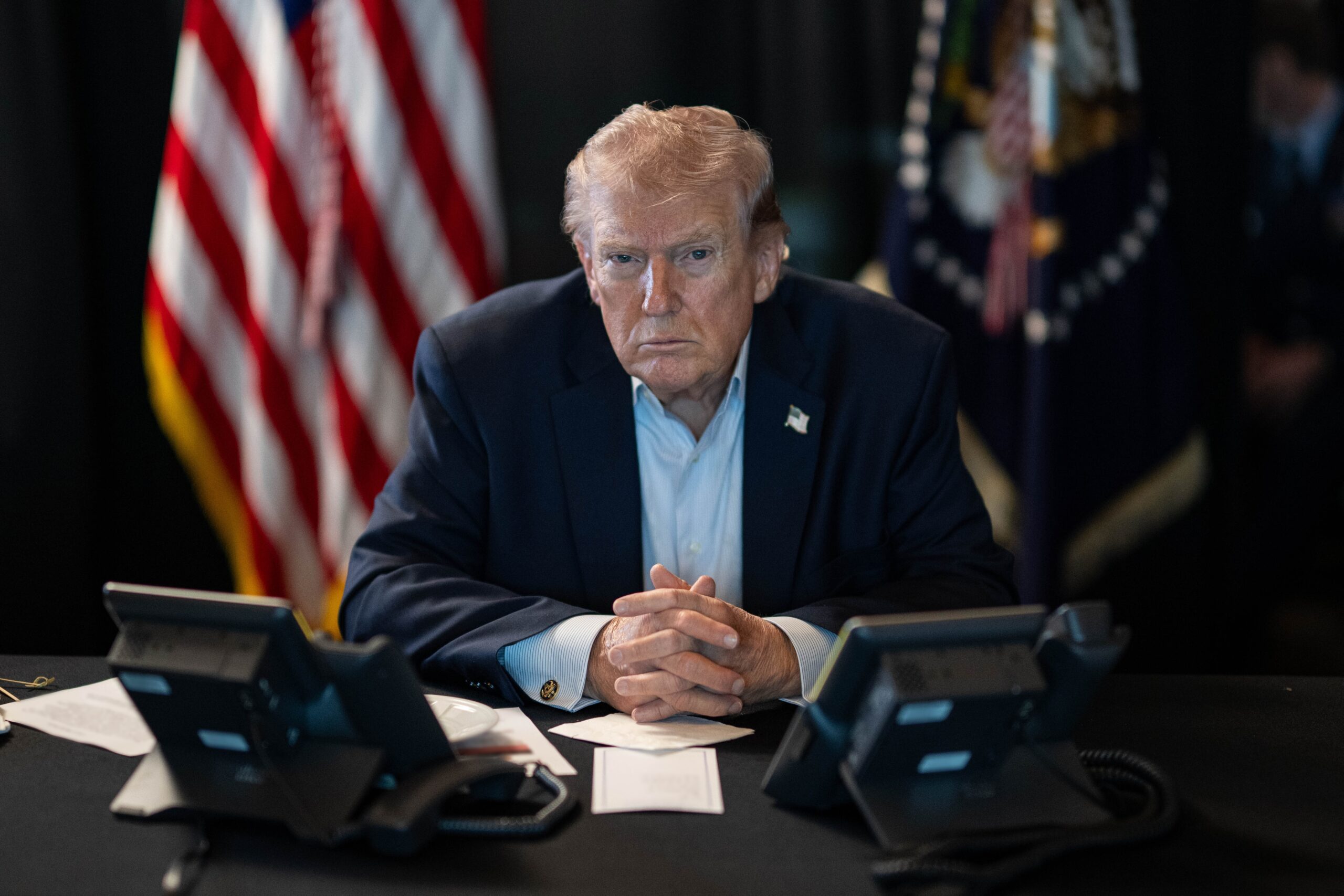
If the United States eventually decides to negotiate—and Iran accepts—then perhaps, at the proverbial negotiating table, Iran might agree to freeze its ballistic missile program. Maybe the US would allow Iran to enrich uranium for civilian purposes only. Sanctions would have to be revisited. Iranian President Masoud Pezeshkian is seen as a reformer, one more likely to offer concessions. If Washington is unhappy with such further rounds of negotiations, it certainly reserves the right to use military options in the future.
But if the war continues, countries such as Russia, China, Turkey and even North Korea could join in, making it a monumentally greater humanitarian disaster. Given comments by Russia’s Vladimir Putin before the conflict began, this should come as no surprise.
These countries could also use the situation to take military action within their own spheres of influence—jolting markets and economies even further. However, a long war could be embarrassing for both countries. At the moment, Congress is so divided that it’s not even funding the Department of Homeland Security, which invites potential “sleeper” terrorist attacks.
If those same lawmakers vote on reforms to Immigration and Customs Enforcement (ICE), then the impetus for not funding the government is spurious. The lesson of 9/11 and the wars in Iraq and Afghanistan is clear: that history proceeds with many unforeseen consequences.
Dr. Todd J. Barry is an adjunct professor of economics at Connecticut’s University of Hartford. He holds a PhD in international development from the University of Southern Mississippi and has published more than 40 articles on international trade, fiscal and monetary policy, the history of economic thought, business ethics, and warfare.
