

|
Cover Story
Italy Tries to Avoid Being Swept Up
|
||
|
Forgotten Conflicts
World Turns Blind Eye to Yemen,
|
||
|
Human Rights Under Attack
Veteran Diplomat Undeterred as
|
||
|
Trump vs. the Pentagon
Are the White House and Defense,
|
||
|
Asia Pivot 2.0?
After U.S. Withdrawal from
|
||
|
Book Review
‘Why Presidents Fail’: It Comes Down
|
||
|
Medical
Bad Diets Tied to 400,000
|
||
|
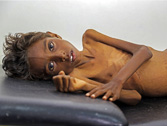 With world headlines focused on North Korea’s nuclear tests, Russia’s ties to the Trump administration and landmark elections in France, it’s easy to forget about three ethnic conflicts that show no sign of abating in 2017.
  Human rights have long been sidelined in favor of geopolitical, economic and security interests. Even President Obama was criticized for ramping up drone strikes and failing to intervene in Syria’s bloody civil war. But under President Trump’s “America first” agenda, the promotion of human rights and democracy appears to be at the bottom of the totem pole.
  Strains between President Trump and leading figures in the defense establishment and intelligence community have been laid bare in his first two months in office as the two sides hold sharply diverging views on what constitutes top threats to American safety.
  President Donald Trump made good on a campaign promise to withdraw the United States from the Trans-Pacific Partnership (TPP) by signing an executive action to end U.S. involvement in the trade deal. The sweeping accord included 12 Pacific-Rim nations that together represented around 40 percent of the global economy and a third of world trade. Where will TPP go without U.S. involvement?
 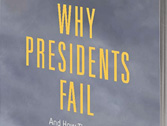 There is now an all-purpose explanation that is often cited by journalists and political analysts when an American president falters: He has lost control over the “narrative” and is unable to communicate his “message.” Elaine C. Kamarck, author of “Why Presidents Fail And How They Can Succeed Again” takes a very different view.
  Unhealthy diets may have contributed to as many as 400,000 premature deaths from heart disease and strokes in 2015, a new study estimates. And it’s not just the things you should be avoiding that are contributing to these deaths. The excess deaths may also be caused by what’s missing in your diet, the researchers said.