
|
Cover Story
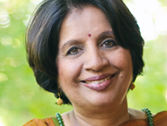
New Delhi’s Veteran Envoy:
|
||
|
People of World Influence USIP Keeping the Peace,
|
||
|
Politics Egyptians Vote, But Can They
|
||
|
Development
New World Bank President
|
||
|
Diplomacy Refuge or Refusal: How Easy Is It
|
||
|
Global Vantage Point At Rio+20, U.S. Can Promote
|
||
|
Medical
Prostate Cancer Screening:
|
||
|
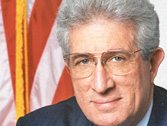 After two protracted conflicts in Iraq and Afghanistan, a war-weary America is ready for peace. And that’s precisely where the U.S. Institute of Peace can help, stepping in where soldiers and diplomats cannot go.
 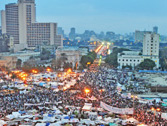 Nearly a year and a half after Egyptians mobilized on the streets of Cairo, the revolution they began — and democracy for which they fought — is still very much a work in progress.
 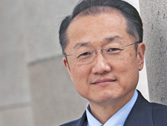 Though change comes slowly at the World Bank, for the first time ever, a development expert is slated to lead the world’s largest development agency.
 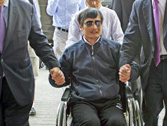 When blind Chinese dissident Chen Guangcheng sought sanctuary in a U.S. embassy, he raised the thorny issue of whether America’s foreign missions can act as safe houses for the persecuted.
 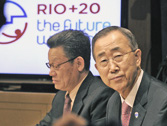 There may be no appetite for new international commitments at a time of pressing domestic challenges, but there are still many politically feasible ways for the U.S. to help ensure sustainable energy for everyone on the planet.
  Prostate cancer screening has been shown to be of little benefit for men over 75, although neither patients nor doctors seem to be getting the message.