

|
Cover Story
Envoy Says Blame Game
|
||
|
People of World Influence
Bulgaria’s Poptodorova Reflects
|
||
|
Middle East
Afghan President Distances Himself
|
||
|
TPP Limbo
Trans-Pacific Partnership Enters
|
||
|
Tough Neighborhood
Regional Hostilities Unnerve Georgia
|
||
|
New Space Race
NASA Chief: 21st-Century Space
|
||
|
Medical
Half of All Heart Attacks
|
||
|
 Elena Poptodorova performed her first assignment as Bulgaria’s ambassador to the U.S. so well that her government asked her to return for an encore. Now, after a combined 12 years, the popular envoy reflects on her posting in Washington during a critical time for her country, and for her personally.
  Peace talks between the Afghan government and the Taliban may be over. To some, they never really began. Hopes were high that Afghan President Ashraf Ghani could do what had eluded his predecessor: engage the enemy. But after a series of false starts, Ghani has drawn a line in the sand — backing away from diplomacy in favor of tough love.
  The Trans-Pacific Partnership, or TPP, which is said to be the most comprehensive trade deal ever put together, took more than five years to negotiate. But its signing on Feb. 4 did not mean that it is in force on either side of the Pacific. Now comes the hard bit as all 12 countries that signed the agreement begin their respective ratification processes.
  This spring, Georgia’s 3.8 million people mark a quarter-century of independence from the Soviet Union. But with Russia still breathing down their necks and making life difficult for people in this turbulent part of the world, not everyone is in the mood to celebrate.
 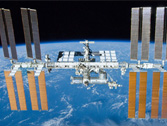 The National Aeronautics and Space Administration’s (NASA) use of “soft and smart power” has led to myriad international partnerships between the United States and a number of other countries, including Russia and China, which in many foreign policy arenas are considered rivals or antagonists.
  As many as half of all heart attacks may be “silent” — without the typical crushing chest pain, shortness of breath and cold sweats, new study findings suggest. Among nearly 9,500 Americans included in the study, 45 percent of all heart attacks were silent, investigators found.