
|
Cover Story
Russia Puts Its Olympic Dreams,
|
||
|
People of World Influence
Give Iran Deal a Chance, Says Man
|
||
|
MEK Power
Small Band of Iranian Exiles
|
||
|
Wannabe Diplomats
Hiring Slowdown at State
|
||
|
FATCA Fat Cats
FATCA Blowback: Some Americans
|
||
|
The Rotunda: Foreign Affairs on Capitol Hill
Old Hand on Capitol Hill Prepares
|
||
|
Digital Diplomats
Social Media Helps Diplomats
|
||
|
No Man’s Land
Turkish Cypriots Celebrate 30th
|
||
|
 The man who helped craft the sanctions widely credited with bringing Iran to the nuclear negotiating table is urging U.S. policymakers to give those talks a chance to succeed.
 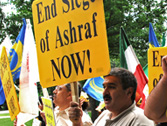 With its shadowy past, shifting ideologies and deep pockets, the Mujahedeen-e Khalq (MEK) has evolved from assassinating Americans to courting them — and from supporting the Iranian Revolution to becoming its sworn enemy.
  Budget cuts and a hiring glut have left many hopeful U.S. diplomats waiting to find out if they made the cut to join the Foreign Service.
 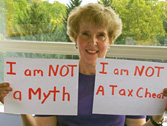 New IRS rules are going after Americans abroad who evade their taxes, but critics complain that the Foreign Account Tax Compliance Act, or FATCA, will be a bureaucratic nightmare that may alienate some Americans to the point of renouncing their citizenship.
 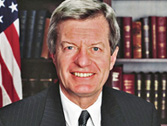 Over four decades, Max Baucus has carved out a reputation in Congress as a dealmaker — skills that will be put to the test as the Montana senator heads to Beijing to serve as America’s ambassador in China.
  Social media gives diplomats direct access to the public, but the digital realm is full of dos and don’ts — and those who solely use it to push out their message quickly find their accounts unheeded by the very people they’re trying to reach.
 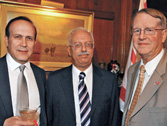 Ahmet Erdengiz may very well be the Rodney Dangerfield of D.C.-based foreign diplomats: He don’t get no respect — as representative of his self-styled Turkish Republic of Northern Cyprus.