
|
Cover Story
Young New Envoy Pledges Progress
|
||
|
People of World Influence
Former Defense Secretary Gates
|
||
|
Clinton: Consummate Insider
Hawkish Ex-Secretary of State
|
||
|
Trump: Unapologetic Outsider
Immigration Anchors GOP
|
||
|
Presidential Firsts
Caveat Elector: Careful
|
||
|
Cuban Realities
Cuba Opens to American Travelers,
|
||
|
Diplomatic Survey
Online Poll Surveys Ambassadors’
|
||
|
Medical
Tighter Blood Pressure ControlCould Save 100,000 U.S. Lives: Study
|
||
|
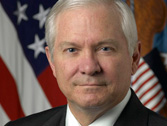 “Reform is not a luxury but a necessity,” writes Robert Gates, the former CIA director and defense secretary whose latest book, “A Passion for Leadership: Lessons on Change and Reform from Fifty Years of Public Service,” offers instructive advice for whoever becomes America’s next leader.
 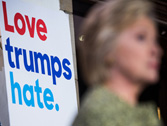 Armed with an extensive foreign policy portfolio and a hawkish worldview, Democratic presidential contender Hillary Clinton is positioning herself as the dependable choice to steer America through a dangerously unpredictable time.
 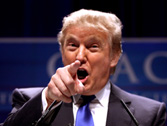 Donald Trump catapulted to the national stage last year on a platform driven by one major foreign policy issue: immigration. Since then, the GOP presidential nominee has kept the topic at the forefront of his campaign, although his specific policies remain broadly sketched nativist calls shaped around his claim that he alone will “Make America Great Again.”
 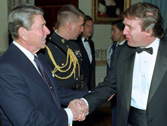 The U.S. presidential election would mark the culmination of an unprecedented, unpredictable, flat-out bizarre campaign that many voters just want to be over. But as much as American politicians like to tout the country’s exceptionalism, when it comes to presidential firsts, the rest of the world has been there, done that — and might have a few lessons for Americans to learn.
 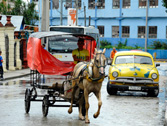 SANTA CLARA, Cuba — On Aug. 31, JetBlue became the first airline ever to offer direct commercial jet service between the United States and Cuba, when its flight from Fort Lauderdale touched down at Santa Clara’s Abel Santamaría International Airport. The flight, marked with speeches, water-cannon salutes, ribbon cuttings and parties at both ends, symbolizes a historic long-term commitment to providing low-cost service between the two former adversaries.
 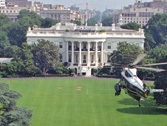 When it comes to diplomats commenting on the U.S. election, they don’t. That’s not to say they don’t have an opinion. A recent poll conducted on behalf of The Washington Diplomat sampled roughly 30 ambassadors from June 27 to July 29 and found an overwhelming majority — 60 percent versus 7 percent — would vote for Clinton over Trump if given the chance.
  Engaging Americans at high risk for heart disease in aggressive efforts to lower their blood pressure could save more than 100,000 lives a year, a new analysis indicates.