
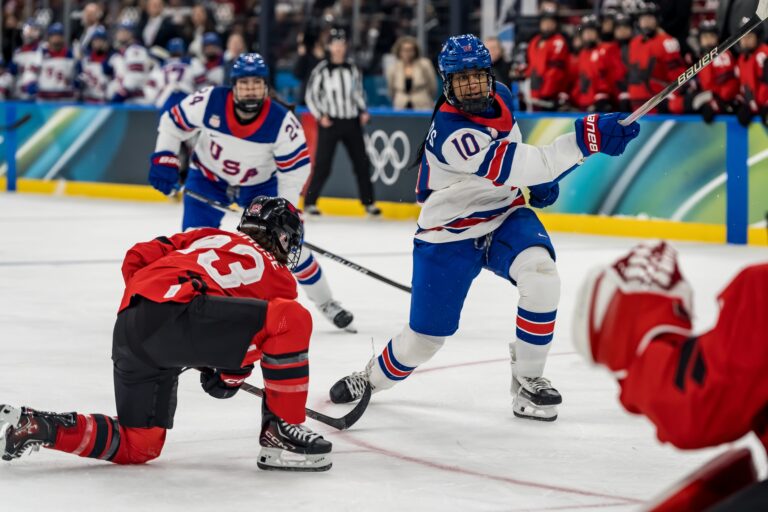
As the speed of technology makes traditional diplomacy sometimes seem slow and obsolete, the world of athletics can quickly bring nations together in ways unimaginable even a decade ago.
The unique opportunities of sports diplomacy can strengthen existing alliances, reduce tension between potential enemies and turn the world’s attention toward regions too frequently ignored.
A 2012 paper presented by Stuart Murray, professor of international relations at Australia’s Bond University, aimed to define sports diplomacy in detail.
“Sports diplomacy falls under the wide umbrella of public diplomacy,” wrote Murray, a global fellow at the Academy of Sport. “It involves representative and diplomatic activities undertaken by sports people on behalf of and in conjunction with their governments. The practice is facilitated by traditional diplomacy and uses sports people and sporting events to engage, inform and create a favorable image among foreign publics and organizations, to shape their perceptions in a way that is [more] conducive to the sending government’s foreign policy goals.”
Lindsay Sarah Krasnoff, an assistant professor at New York University’s Tisch Institute for Global Sport, generally agrees with such a definition, while examining sports diplomacy’s potential advantages over trade relations or military deals. She said it can “serve as a Swiss army knife that can help strengthen both international cooperation as well as sports relations.”
She added: “Sports diplomacy allows communication, representation and negotiation—three key acts of diplomacy happening at the same time within and around the sports space through a knowledge exchange, technical exchange or cultural exchange.”
Krasnoff insists that diplomacy set against the likes of the recent FIFA World Cup in North America or Italy’s 2026 Winter Olympics wield a big advantage over economic diplomacy or military alliances. The athletic variety blends the potentially grim, dry and formal nature of international relations with entertainment on a grand scale.
“It’s shiny and sexy and fun,” she said. “Sports provides connection through emotion, regardless of whichever countries we come from or what [issues] could divide us.”
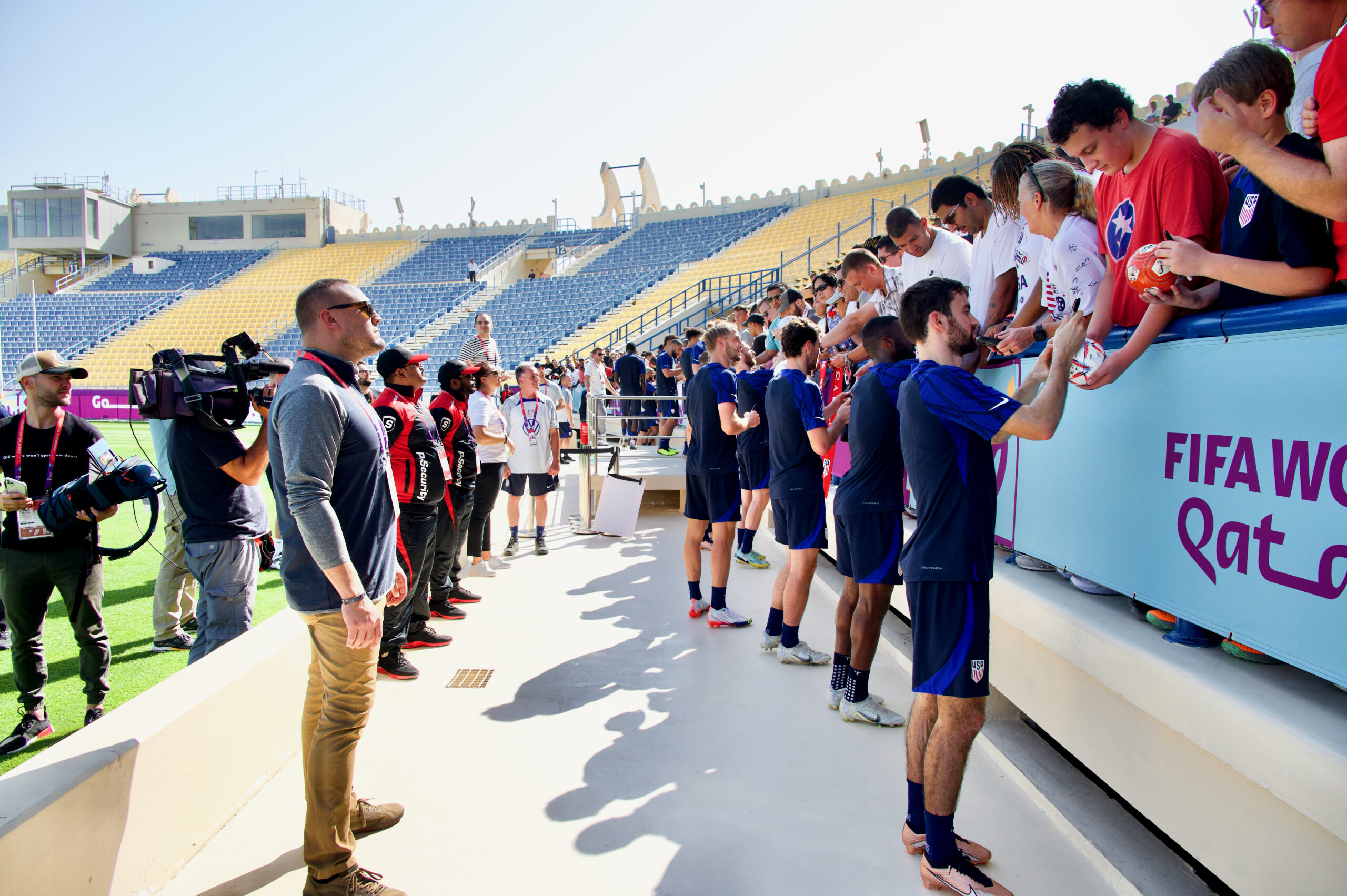
John Mayer, president of the International Sports Professionals Association, points to the long history of sports diplomacy as proof of its power.
“Sports has been used as a diplomatic tool for good and bad since ancient times,” he said. “Think of the ancient Olympics or, on the North American continent, how Indian tribes would interact peacefully and play against each other in the earliest forms of what we now call lacrosse.”
But for sports to really become a tool for diplomacy, he said, enlightened leaders had to identify sports as an alternative to conflict, while the general public came to view international events as a way to learn about each other, and as a vehicle for sharing cultures.
“The most important goal for sports diplomacy is reducing fears and prejudices among nations,” Mayer said.”Certainly improved image and standing in the world with economic benefits are sub-categories of this lessening of fear through familiarity among peoples.”
Professor Nicholas J. Cull, of the University of Southern California’s Annenberg School for Communication and Journalism, said President Trump is a major factor in the current rise of sports diplomacy.
“This is a form of diplomacy that the Trump administration endorses,” Cull said. “In a time when other forms of international relations are more problematic with Trump, sports requires an atmosphere of support and civility. Since sports are entertainment, it can sidestep diplomatic blockages. Sometimes, when nations can’t talk about anything else, they can talk about sport.”
Cull also insists athletics can demonstrate a nation’s relevance on the international stage by hosting or participating in an event. A key example is Iran’s participation in the World Cup. despite its current hostilities with Washington, or the unlikely story of Kosovo’s Nora Gjakova winning a gold medal in judo at the 2020 Summer Olympics in Tokyo.
“Kosovo was newer on the international scene,” Cull explained. “So, when a person from Kosovo won a gold medal, it helped to show her nation as a real and present nation- state.”
Krasnoff and Hull both focus on Africa and the Middle East as microcosms of sports diplomacy’s potential power to boost the position, conduct and reputation of a country or region.
In the past, Krasnoff served as a research associate with the University of London’s Centre for International Studies and Diplomacy. There she co-directed the Basketball Diplomacy in Africa Oral History Project based on the NBA’s Basketball Africa League. She sees the benefits of sports diplomacy coming to those sub-Saharan nations that understand the need to embrace it.
“Not all countries value sport in the same way. In order for government-driven sports diplomacy to be effective, its government and the elites who work within it need to understand its merit and its uses,” Krasnoff said, singling out Rwanda for its aggressive interest in sports diplomacy.
“Rwanda had sponsorships with some of the top global [soccer] clubs in the world, such as Bayern Munchen, Arsenal and Paris Saint-Germain. Rwanda went from being shirt sponsors or having ‘Visit Rwanda’ advertising in the stadiums to creating ad campaigns driving tourism to Rwanda,” she said. “Rwanda built a state-of-the-art arena that seats about 10,000 people and has since been able to host a variety of sporting mega-events, such as some of the finals from the NBA and FIBA Basketball Africa League.”
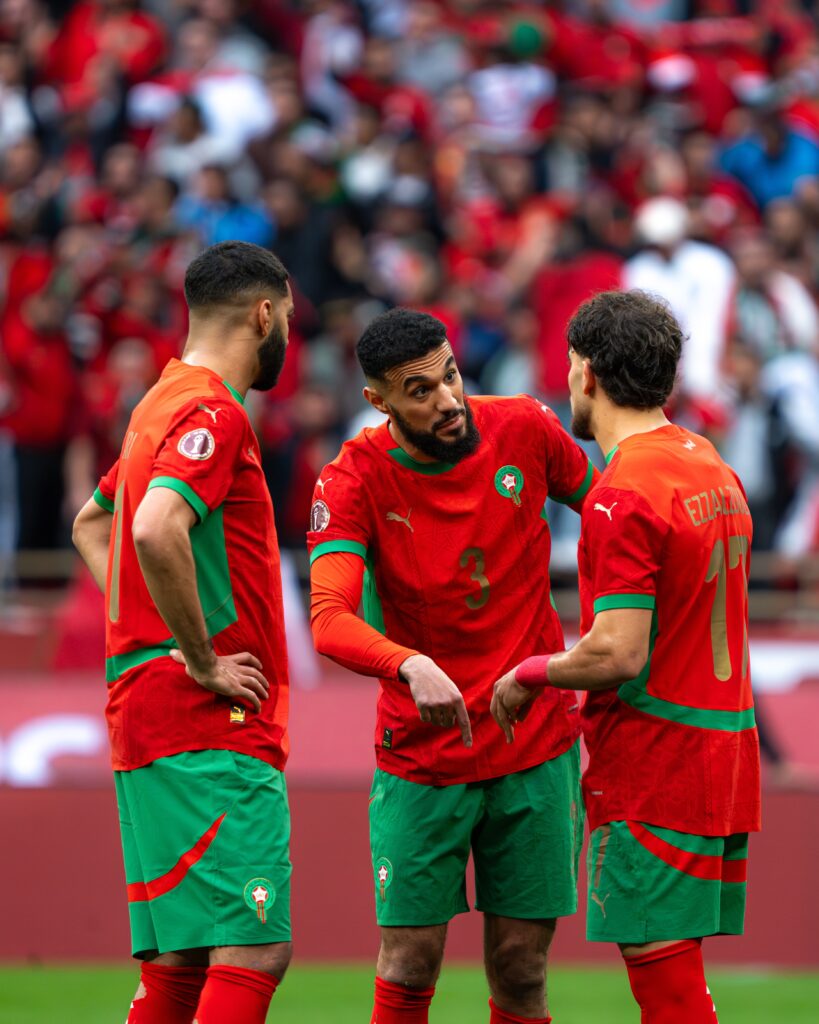
Morocco also interests Krasnoff as a nation in cultural transition that employs sports diplomacy.
“Culturally, Morocco stands closer to other Muslim-majority societies in the Middle East, but the country is at a crosswinds of different influences,” she said. “Morocco invested in its sports diplomacy approaches by hosting the Africa Cup of Nations football championship. It will be one of the co-hosts for FIFA 2030, hoping to become a known as a host of major sporting events and to gain economic development and benefits.”
Finally, Krasnoff points to Morocco choosing to export its sports identity by training and developing male and female soccer players while some Arab cultures shy away from allowing both women to play.
“For both men and women, the Moroccan national football teams have done very well at recent international FIFA competitions, and that allows Morocco to communicate, represent and negotiate on a global stage in a vastly different way than just hosting might,” Krasnoff said.
Cull emphasizes sports diplomacy’s power to transform a country’s conduct and cultural reputation. He points to sports as an unrecognized major factor in South Africa’s transition away from apartheid.
“During my research, many people from the former South African regime told me that exclusion from international sports [during apartheid] was one of the most difficult things for white South Africans to bear,” he said. “Recovering the country’s eligibility to be part of international sports was a tremendous incentive to reform.”
These days, oil-exporting Arab nations are most seen as using sports to distract from wrongdoing, a tactic known as sportswashing.
Saudi Arabia came under fire for repressing women and other offenses after its Public Investment Fund sponsored LIV Golf, a professional league formed to rival the PGA Tour and to promote the nation as a growing option for tourism. The fund has since announced it will cancel its LIV Golf sponsorship after 2026.
LIV executives now refuse all interview requests beyond prepared statements, and Saudi embassy officials don’t respond to requests for comment.
“As the world becomes smaller and increasingly transparent, sportswashing becomes more difficult,” Cull said. “It’s more important to be authentic now. A country offers to host an event because it wants to be thought of well in the world, but then realizes that it has to conduct certain domestic reforms to deserve the admiration.
Examples of this, he said, include Qatar’s hosting of the 2022 FIFA World Cup and France’s operation of the 2024 Summer Olympics.
“Qatar had to reform its practices with workers before [the World Cup], as they were accused of being unkind to international labor,” he recalled. “And the success of the Paris games highlighted the steps France took to avoid being accused of waste and environmental insensitivity.”
Whether it’s the World Cup, foreign basketball leagues or the Olympics serving as a backdrop, all these experts see sports as a diplomatic tool to increase opportunities, but not a potential fix-all. Says Hull: “Sports diplomacy is a great unifier, but we still need regular diplomats.”
