
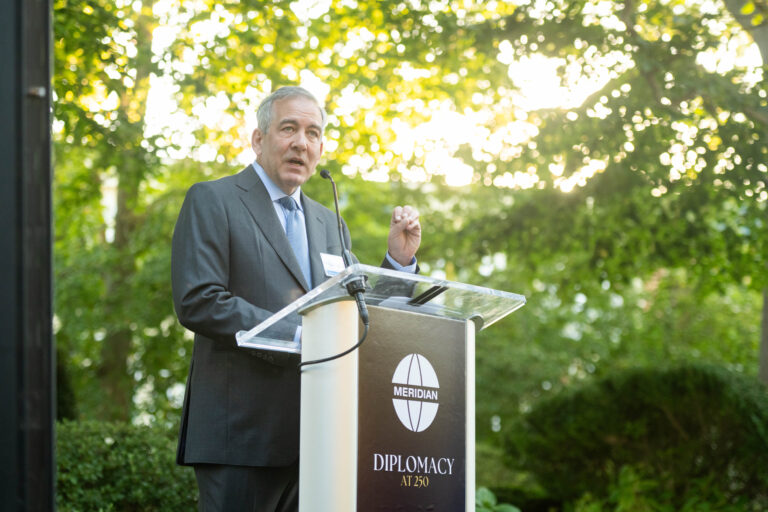
For the long-established organization known for its education and cultural exchange programs, connecting US government officials with global diplomats, Meridian International Center is pushing beyond traditional forms of diplomacy.
Its inaugural Sports Diplomacy Forum in January and its AI in the Global South series this past summer are just some of the ways Meridian is growing its diplomatic initiatives across different sectors.
“Traditionally you’d have the State Department talking to foreign ministries about trade agreements or tariffs, but we think our theory of change right now is that everyone’s a diplomat,” said David Bohigian, Meridian’s new president and CEO.
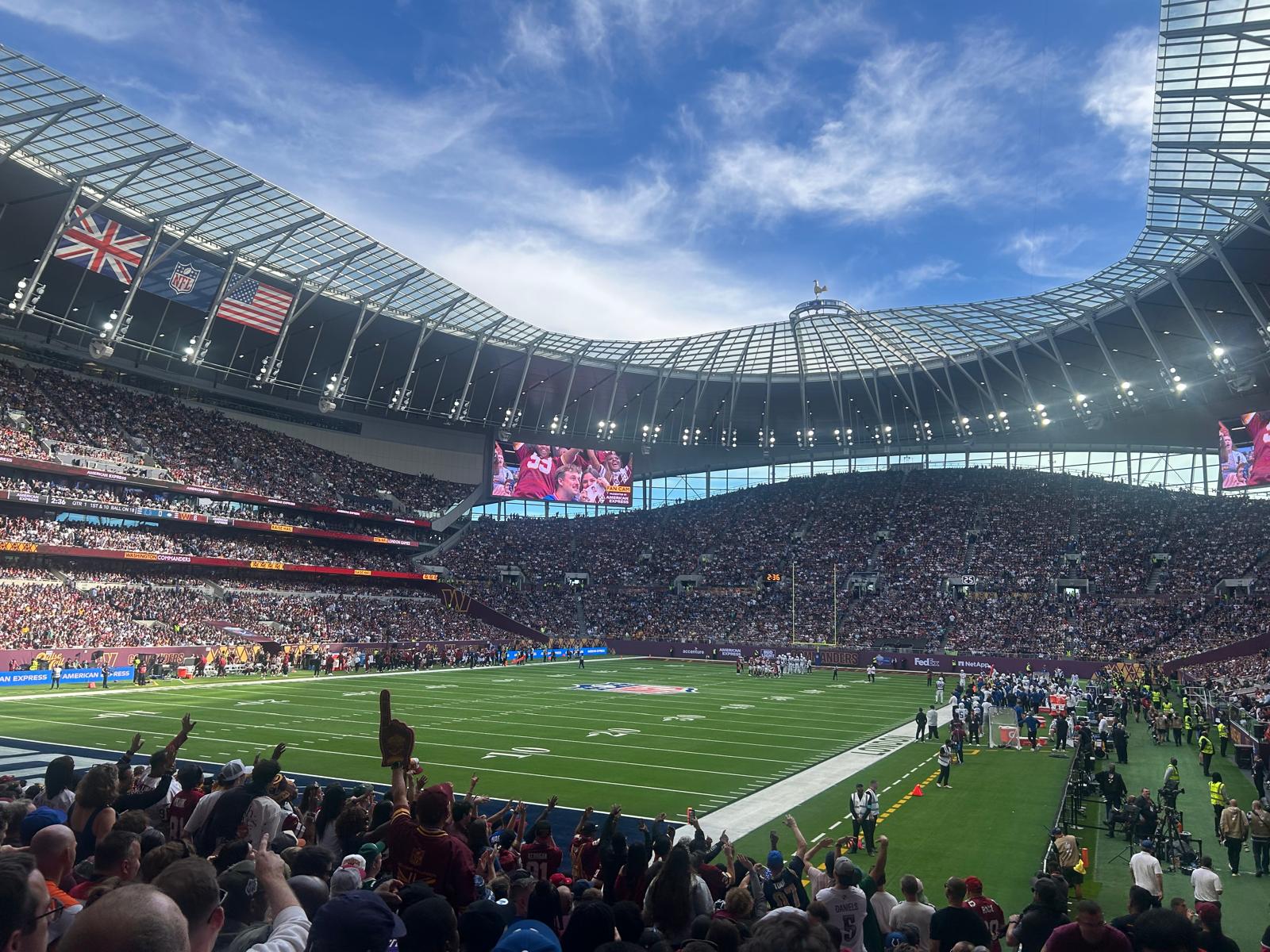
“So when you have the NFL going to Australia or London or around the world, that has been an amazing soft-power impact for America. When you have a technology program talking to European regulators or diplomats, that’s an important piece of how America can make the world more innovative and prosperous in the 21st century.”
Last month, Bohigian sat down with The Washington Diplomat just ahead of Meridian’s biannual “Welcome to Washington” event for new ambassadors, his first since assuming the role of CEO in March. He discussed how he plans to build out this framework of “open diplomacy” that began under former CEO Stuart Holliday—and it’s a role he’s spent decades preparing for.
“Had you met me in high school, I would have been working with Model United Nations. Had you met me in college, I was working on the nation’s largest and oldest political experiment, mock convention, as well as social chairman of my fraternity. So these roots run deep when I think about how much I care about Meridian’s mission and what we do here,” he said.
Bohigian’s career began in venture capital, before he was called to join the Bush administration in 2005, where he served as the assistant secretary of commerce for market access and compliance until 2009. He then moved into the private sector as an investor, founding and managing the impact fund Plurbis Ventures, with investments spanning from clean energy to affordable housing.
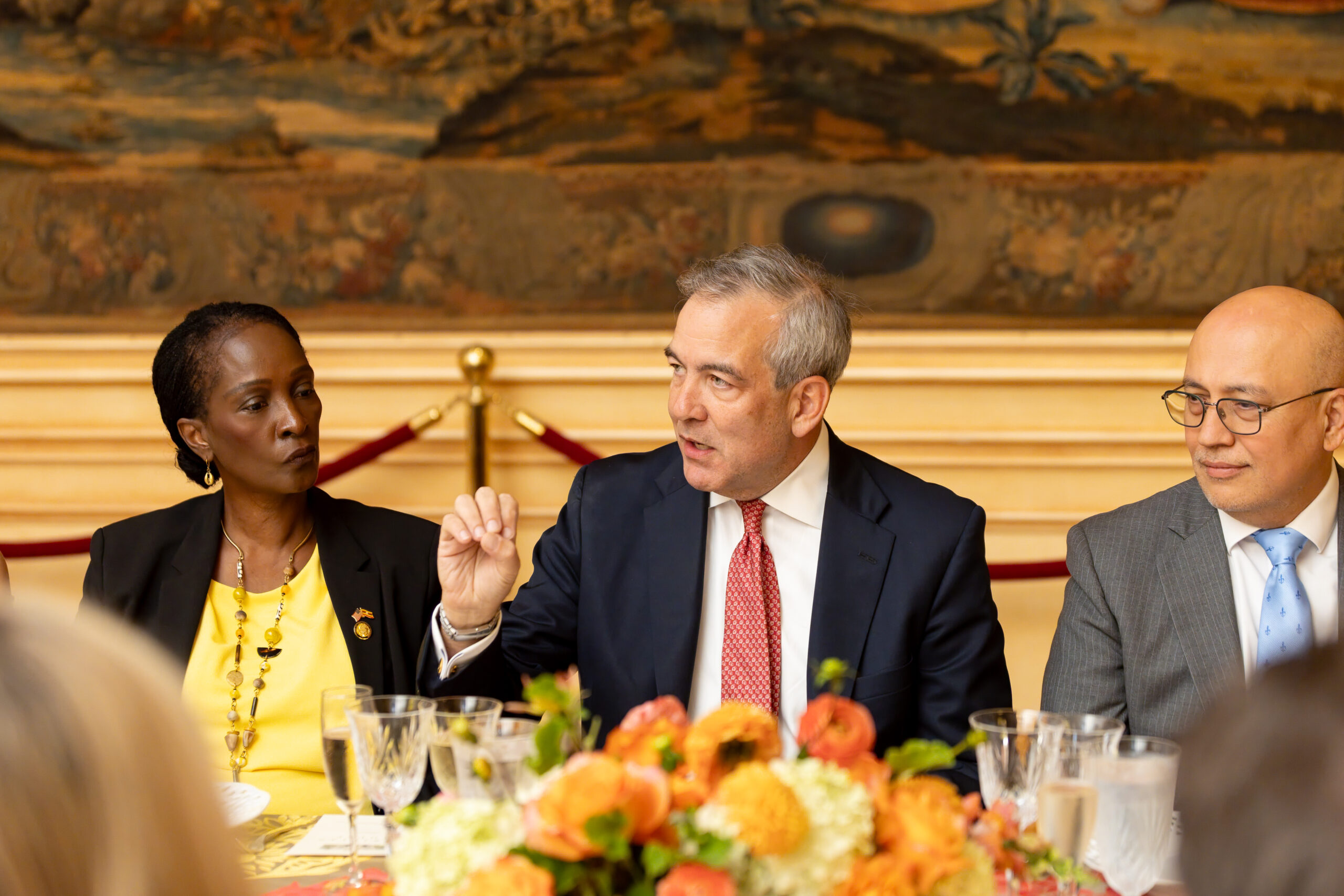
During the first Trump administration, Bohigian joined the Overseas Private Investment Corporation as executive vice president and in 2019, became acting president and CEO. At OPIC, he spearheaded the BUILD Act for mobilizing private investment worldwide, leading to the creation of the US International Development Finance Corporation.
“That was an opportunity to take an institution that some were calling to eliminate, and now it’s almost 10 times bigger than it was when I got there because people have seen it’s a really important time for commercial diplomacy,” he said.
In fact, it was Meridian’s four-acre campus just off of 16th Street NW where those vital discussions on the transition of OPIC to the DFC happened.
“We had our offsite here because this is the place where history happens,” said Bohigian. “That’s one of the moments that I’ll always remember is being here and being part of that history before I got here.”
Meridian’s site has long been a bustling hub for historic events, serving as a strategic meeting place for the planning of the American entrance into World War I at the White-Meyer House, and welcoming nearly 200 heads of state through the doors of the Meridian House since it was established as an organization in 1960.
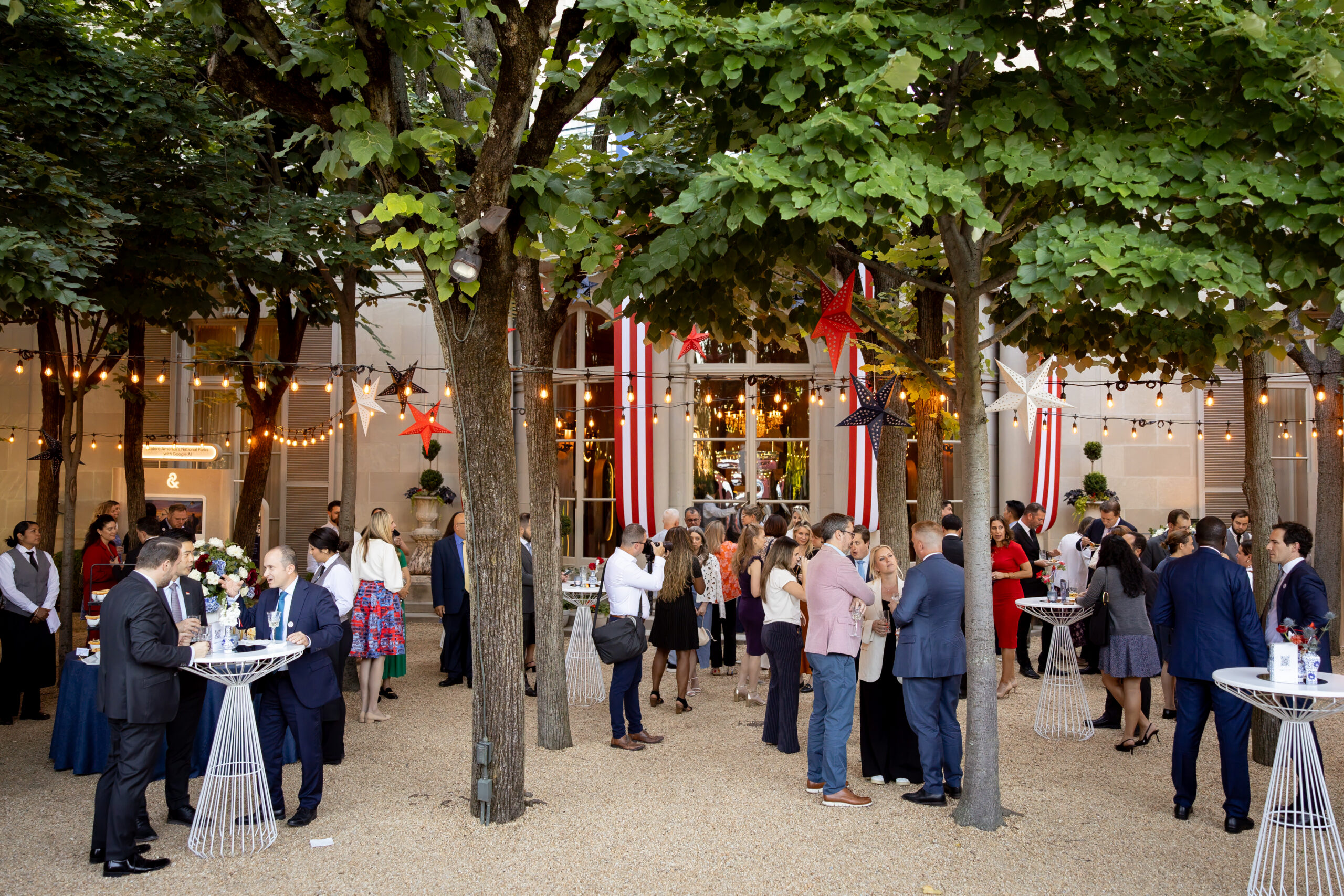
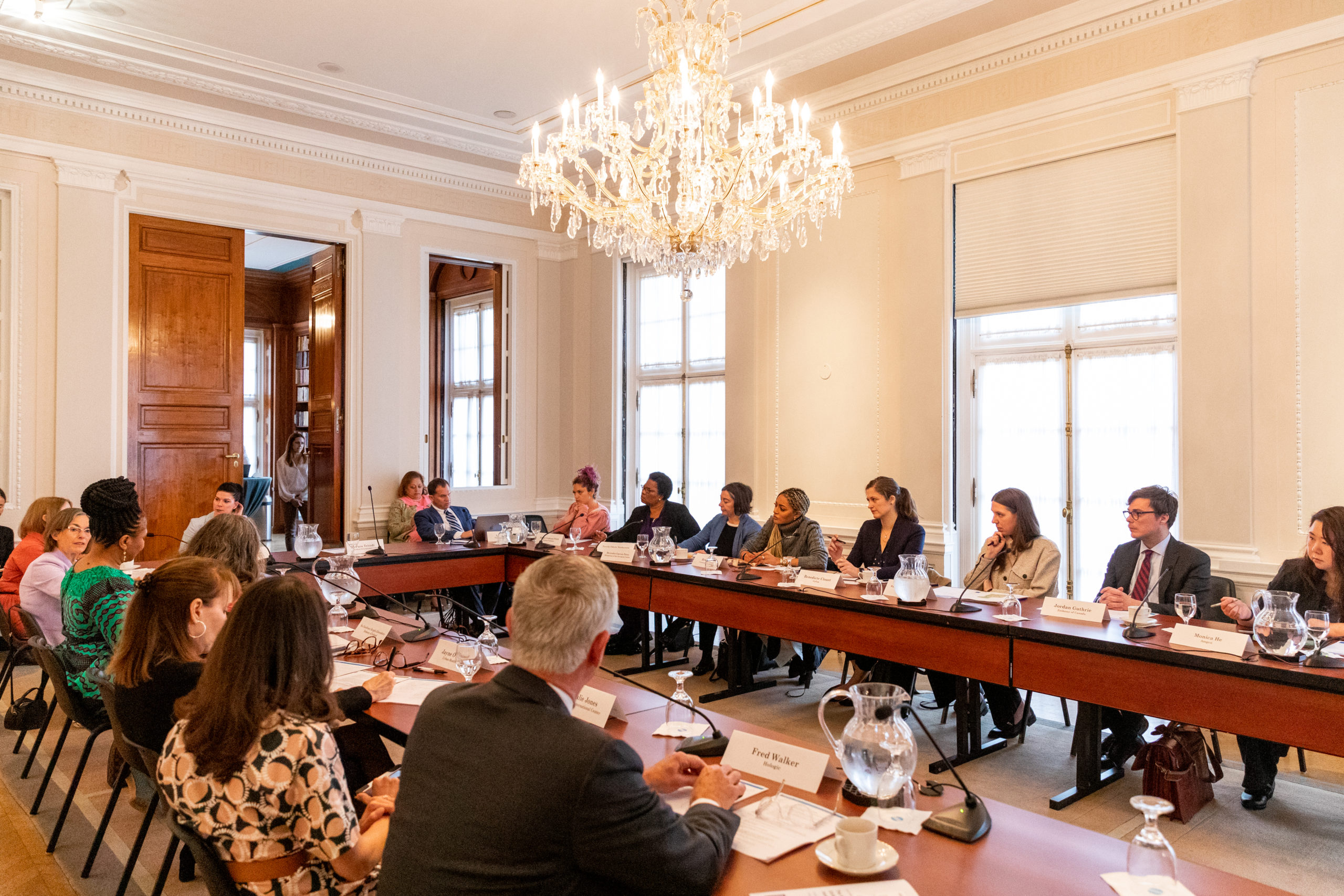
One of its most notable programs has been implementing the State Department’s International Visitor Leadership Program, inviting foreign leaders from around the world to take part in a variety of field experience and build relationships with their American colleagues.
“Just two months ago, it was seven more members of Parliament, who’ve been coming here for decades on end,” said Bohigian. “Margaret Thatcher came through here on that program. Tony Blair came through on that program, and so it really does create a cohort of individuals who’ve experienced America firsthand, and can go back to their countries and tell their friends and our allies what a wonderful place America is.”
For Bohigian, this is one of the ways he hopes to take Meridian from Washington to the world in the next five years, and open a bigger network of partnerships.
“I think about it as Metcalfe’s law, which is that the power of a network gets exponentially greater the more nodes join that network,” said Bohigian. “I’m really hoping to develop partnerships that could range from everywhere, from America to Europe to Asia and beyond to make sure that we’re having more of an imprint around the world, so that people can understand what an important time this is for diplomacy.”
Beyond the corporate side, Meridian’s framework of open diplomacy aims to address global challenges by deepening international relationships through cross-sector collaboration in areas of business, culture, sports, science, technology and more. Recent initiatives like the centers for Culture & Sports Diplomacy and Tech, Innovation & Space mobilize soft power.
“The corporate piece has been more important than ever over the past several decades here, but increasingly in a communications-based world…our soft assets, whether it’s our universities, our sports teams, our artists, [they] really have made a big difference in American perception of the world,” said Bohigian.
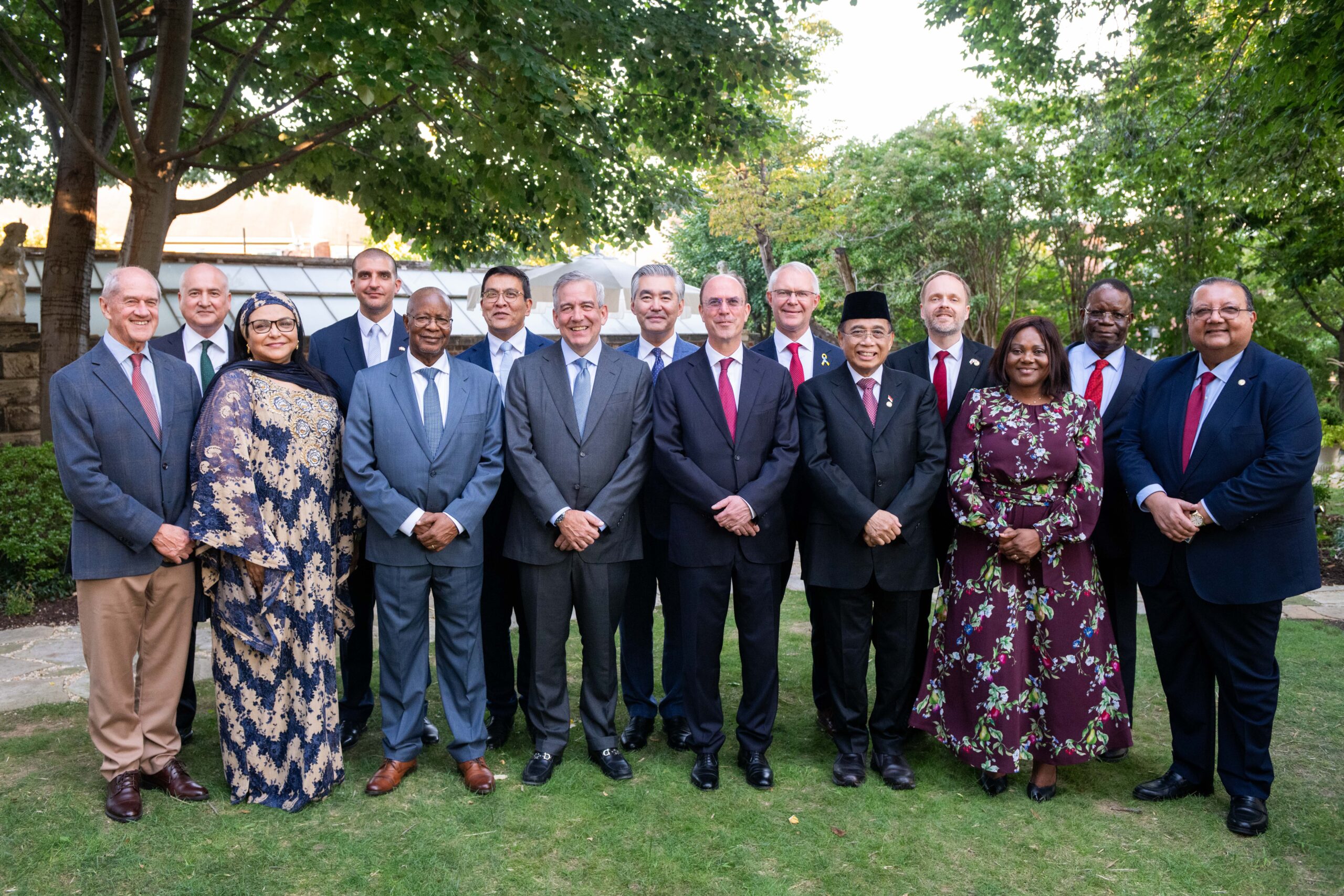
These opportunities at Meridian are especially important for DC-based ambassadors.
“Ambassadors that I’ve talked to always wish they had got to know Meridian sooner,” he said. “Those who will engage here, I think, will find opportunities to talk to the corporate community, talk to the cultural community, in ways they couldn’t otherwise, especially for some of the embassies that have less reach. This is their home away from home.”
Bohigian is preparing to host his first summit—and Meridian’s 15th—on Oct. 16, around this year’s theme, “Shaping American Influence.” It will be the launch of Meridian’s new Open Diplomacy Playbook, exploring how non-government leaders influence America’s role abroad.
The day will culminate in Meridian’s signature Ball, which brings together government officials, business leaders, journalists, the diplomatic corps and more for a celebration of global engagement, featuring intimate ambassador-led dinners and an evening of dancing, dessert and conversation.
When he’s not CEO of Meridian, Bohigian is a husband, father of three and a proud puppy owner. He’s an avid backgammon player and hopes more diplomats will stop by his office and roll some dice with him.
“When you think about the institutions and the era that we’re in right now, I think Meridian can be a key convening point for that,” said Bohigian. “It pulls together the diplomatic community, US government officials, and now with our open diplomacy program, pulls together cultural figures and sports figures and NASA administrators. It’s really an extraordinary place where we can meet that moment.”
